Strength Training After 40: Why Getting Stronger Matters More Than Ever
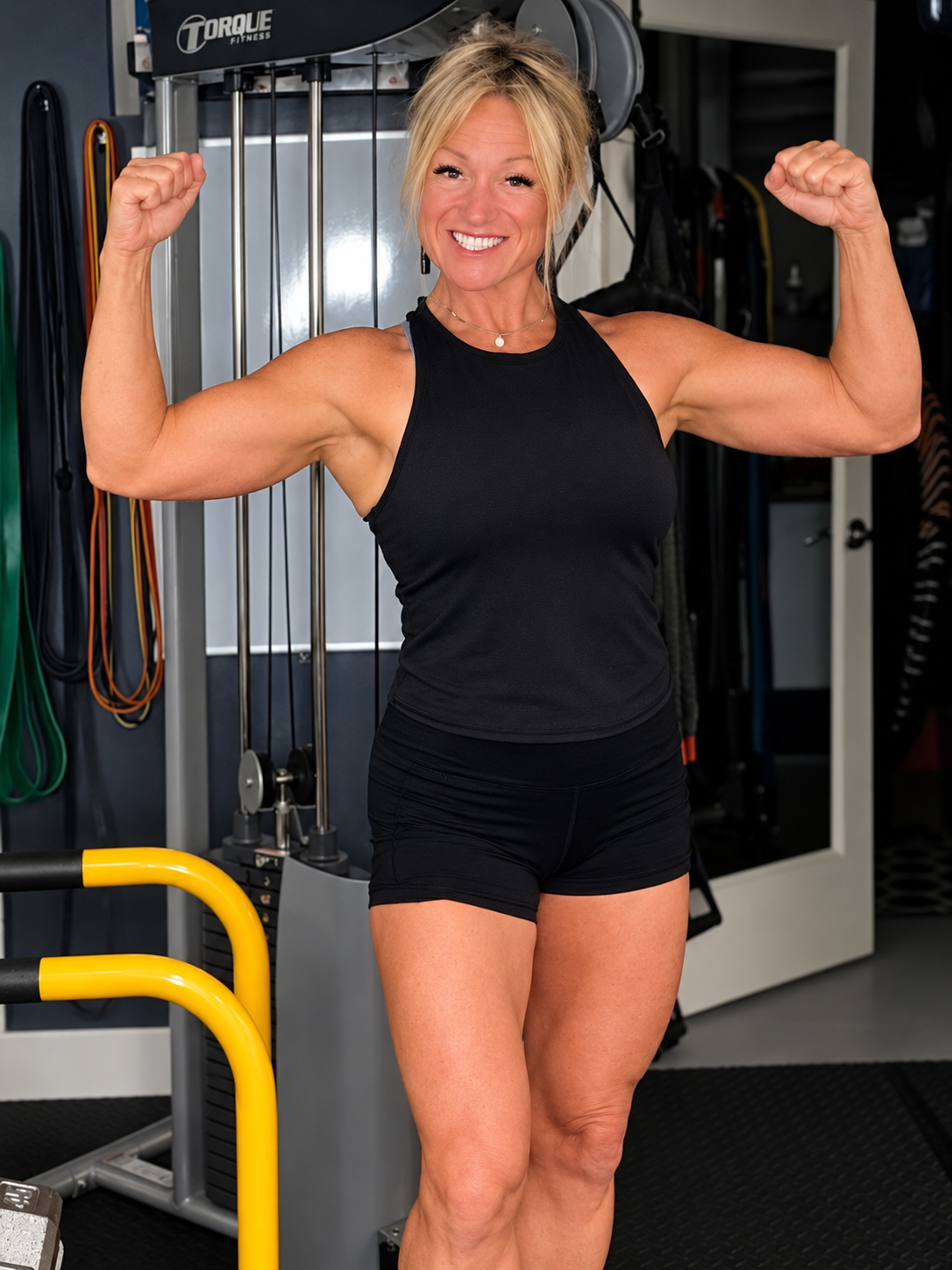
Turning 40 doesn’t mean you need to stop training hard. It does mean you should probably start training smarter. As we get older, maintaining strength, muscle, mobility, and physical capability becomes increasingly important. The objective isn’t simply looking better.
It’s continuing to be able to do the things you want to do. Strength training can be one of the most valuable tools for accomplishing that. Whether you’re already exercising or haven’t consistently trained in years, it’s rarely too late to start building a stronger and more capable body. Here’s why.
Muscle Becomes More Important As You Get Older
Maintaining muscle matters throughout adulthood. Muscle contributes to strength, physical function, body composition, and your ability to perform everyday activities.
The answer isn’t necessarily spending more time exercising. It’s making the training you’re already doing more productive.
A properly designed personal training program can focus on progressively improving strength while accounting for your experience, goals, schedule, and current abilities.
Strength Training After 40 Isn’t Just About Building Bigger Muscles
Some people still associate strength training exclusively with bodybuilding. That’s a mistake. Resistance training can improve your ability to lift, carry, push, pull, climb stairs, participate in recreational activities, and handle the physical demands of everyday life.
Being stronger gives you options. And those options become increasingly valuable as you get older. You don’t have to train like a competitive powerlifter or bodybuilder, you need a program appropriate for what you’re trying to accomplish.
Start Strength Training Even If You’ve Never Done It Before
You don’t need years of gym experience before beginning a strength training program. Start where you are. That might mean learning basic movement patterns using lighter resistance. For someone else, it might mean returning to weight training after several years away.
For an experienced lifter, it may mean improving programming and finding better ways to continue progressing. A personal trainer can help determine an appropriate starting point and teach you how to perform exercises correctly before progressively increasing the challenge.
Training Hard & Training Smart Are Not Opposites
Getting older doesn’t mean every workout needs to become easy. But trying to train exactly the way you did decades ago without considering your current abilities isn’t necessarily smart either.
Training should challenge you. It should also account for recovery, exercise selection, technique, volume, frequency, and your individual limitations. The objective is productive training. Not proving how much punishment you can tolerate during a single workout.
Consistency over months and years matters far more than destroying yourself on Tuesday and being unable to move until Saturday.
Recovery Deserves More Attention
Training creates the stimulus. Recovery allows you to adapt to it. Sleep, nutrition, stress, training frequency, and overall activity can all influence how well you recover between workouts.
That doesn’t mean you need a complicated recovery routine. It means paying attention to whether your training schedule allows you to consistently perform well. More isn’t automatically better. Better is better.
Working with a coach can help you find an appropriate balance between training hard enough to make progress and recovering well enough to repeat the process.
Nutrition Supports Your Training
Training and nutrition don’t exist in separate worlds. If you’re trying to build or maintain muscle, improve body composition, and perform well during your workouts, your nutrition matters. Protein intake, total calorie intake, food quality, hydration, and consistency can all influence your results.
You don’t need a perfect diet. You need an approach you can consistently execute. That’s where nutrition coaching can complement a structured strength training program.
Mobility Doesn’t Mean You Stop Getting Stronger
Mobility and strength should work together. If an exercise doesn’t fit your current mobility or causes discomfort, the answer isn’t always to stop strength training entirely. The exercise may need to be modified. Your range of motion may need to change. A different variation may work better. Or you may need to improve the underlying limitation.
Good programming adapts the exercise to the person instead of forcing the person into an exercise that doesn’t fit them.
Consistency Beats Starting Over Every Few Months
One of the biggest mistakes people make is repeatedly starting and stopping. They train aggressively for several weeks.
Life gets busy. Training disappears.
Months later, they start over.
A better approach is creating a training structure that can survive real life. Sometimes that means three or four workouts per week. Sometimes it means fewer. Your program doesn’t need to be perfect. It needs to be sustainable enough that you’re still doing it months and years from now.
Strength Training After 40 In Oconomowoc And Lake Country
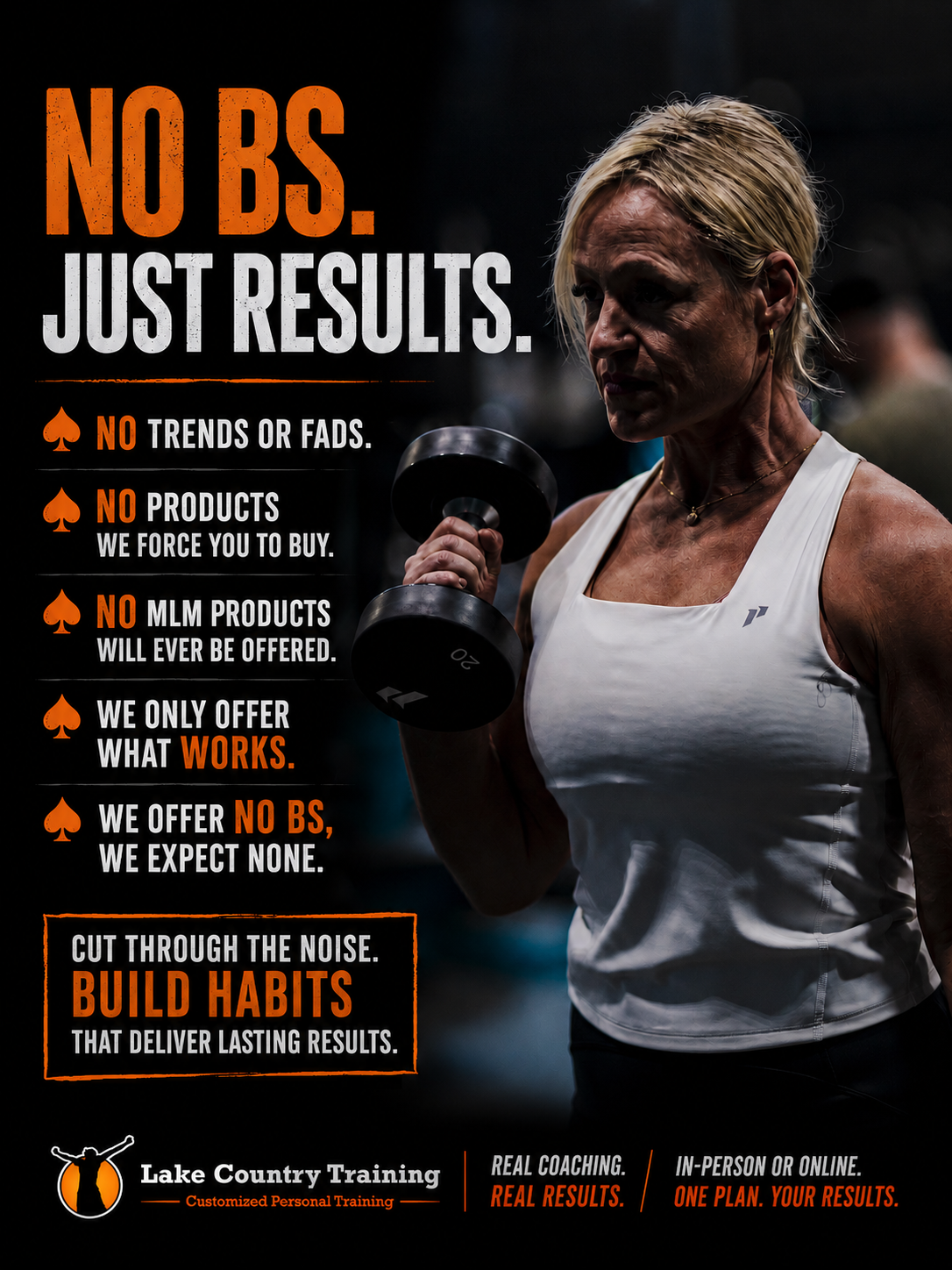
If you’re over 40 and want to become stronger, improve your body composition, or simply feel more physically capable, you don’t need a gimmick or a workout designed specifically to make you exhausted. You need intelligent programming and consistent execution.
Lake Country Training provides individualized personal training in Oconomowoc and throughout the Lake Country area for adults with different experience levels, goals, and training backgrounds. With more than 25 years of fitness and coaching experience, we focus on building programs around the individual.
Start where you are. Train intelligently. Progress when appropriate. Recover. Repeat.
Contact Lake Country Training to schedule a consultation and discuss a training approach that fits your goals, experience, and lifestyle.